Contractor Project Management
by Admin
Posted on 15-01-2025 09:52 PM

Understanding the Basics of Project Management
Project management involves planning, executing, and controlling the work of a team to achieve specific goals and meet specific success criteria. For contractors, this means overseeing the entire construction process, from initial planning to final completion. The primary objectives of contractor project management include:
Key Phases of Contractor Project Management
1. Initiation
The initiation phase is the starting point of any project. During this phase, the contractor and the client define the project scope, objectives, and deliverables. Key activities in this phase include:
2. Planning
The planning phase is where the project's blueprint is created. This phase involves detailed planning to ensure that the project is executed smoothly. Key activities include:
Risk Management Strategies
3. Execution
The execution phase is where the actual work of the project takes place. This phase involves implementing the project plan and coordinating the efforts of the project team. Key activities include:
Quality Control Measures
4. Monitoring and Control
The monitoring and control phase involves tracking the project's progress and making adjustments to ensure that the project stays on track. Key activities include:
Communication Strategies
5. Closure
The closure phase is the final stage of the project, where all tasks are completed, and the project is officially closed. Key activities include:
Post-Project Evaluation
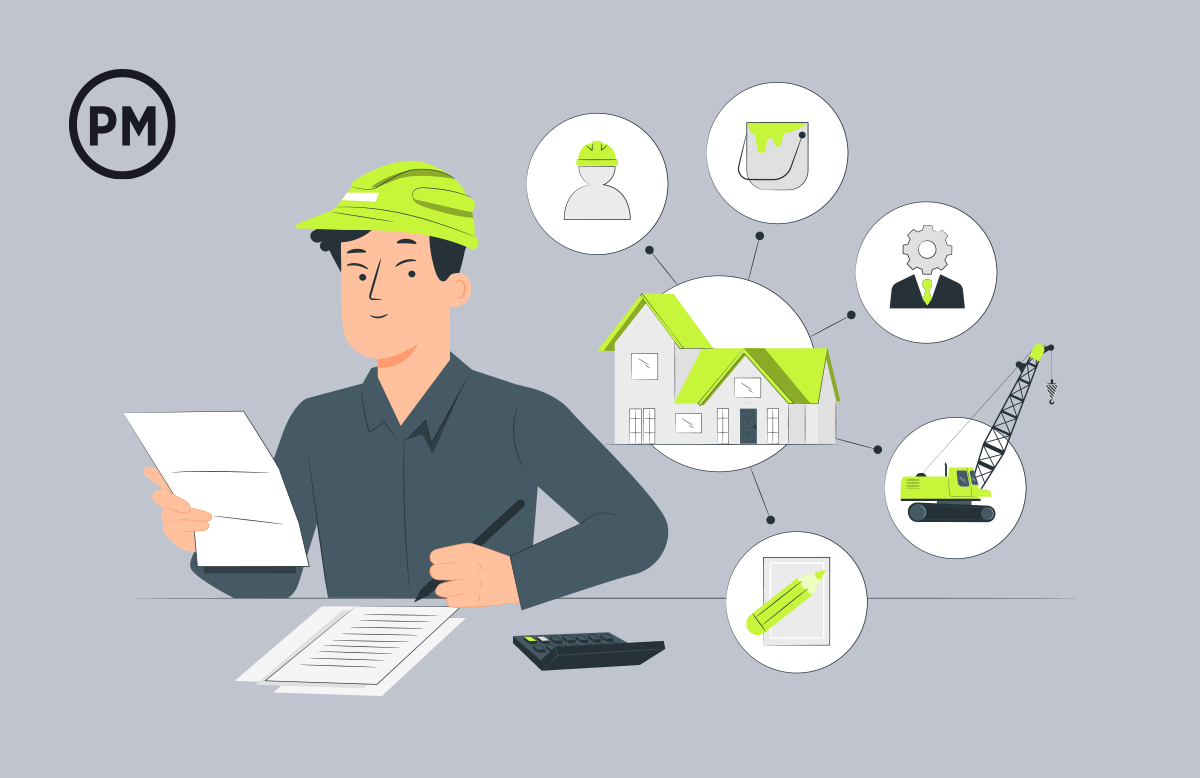
Choosing the Right Construction Project Manager
When it comes to managing a construction project, whether it's a new build or a renovation, selecting the right project manager is crucial. A skilled project manager can ensure that your project stays on schedule, within budget, and meets all quality standards. If you're looking for a reliable and experienced professional, consider working with a trusted home remodeling contractor who can provide the expertise and support you need.
Tools and Technologies for Contractor Project Management
Effective project management often requires the use of specialized tools and technologies. These tools can help contractors streamline their processes, improve communication, and enhance project control. Some popular tools and technologies include:
Best Practices for Contractor Project Management
To ensure the success of their projects, contractors should adopt best practices in project management. Some key best practices include:
Challenges and Solutions in Contractor Project Management
Contractors often face various challenges during project execution. Some common challenges and their solutions include:
Conflict Resolution Strategies
Conclusion
Effective contractor project management is essential for delivering successful construction and renovation projects. By understanding the key phases of project management, utilizing the right tools and technologies, and adopting best practices, contractors can improve their project outcomes, enhance client satisfaction, and achieve long-term success.
FAQs
What is the most important phase in contractor project management?
The most important phase in contractor project management is the planning phase. This phase sets the foundation for the entire project and ensures that all tasks are executed smoothly.
How can contractors avoid budget overruns?
Contractors can avoid budget overruns by careful budgeting, implementing cost control measures, and regularly monitoring project expenses.
What are some common tools used in contractor project management?
Common tools used in contractor project management include project management software (e.g., Microsoft Project, Primavera), collaboration platforms (e.g., Slack, Microsoft Teams), and document management systems (e.g., Dropbox, Google Drive).
How can contractors ensure quality in their projects?
Contractors can ensure quality in their projects by implementing robust quality control processes, conducting regular inspections, and performing tests and verifications.
What are some best practices for managing stakeholder communication?
Best practices for managing stakeholder communication include maintaining open and transparent communication, holding regular project meetings, providing regular status reports, and encouraging feedback.
How can contractors handle conflicts with stakeholders?
Contractors can handle conflicts with stakeholders by encouraging open dialogue, using mediation if necessary, and finding compromises that satisfy all parties involved.
Hammerschmidt Construction
1574 Country Club Dr, Los Altos, CA 94024
(650) 948-4200
info@hammerschmidtinc.com